Over the past decades, tourism in Australia has grown steadily due to its reputation for safety, clean environments, and unique wildlife found nowhere else on Earth. From iconic coastal drives and coral reefs to cosmopolitan cities and ancient Indigenous heritage, the country offers experiences suitable for a wide range of travel styles.
For global tourists, digital nomads, and first-time visitors, Australia represents a destination where nature, culture, and modern living coexist seamlessly.
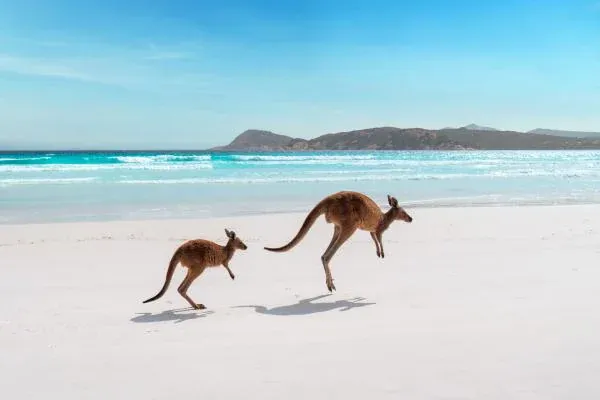
Why Visit Australia
Australia stands out because of its geographical diversity and relaxed lifestyle. Travelers can explore tropical rainforests, deserts, alpine regions, and world-famous beaches within one country.
Unique Experiences
-
Viewing native wildlife such as kangaroos and koalas in natural habitats
-
Exploring the world’s largest coral reef ecosystem
-
Experiencing coastal road journeys and national parks
-
Discovering Indigenous Australian cultural traditions
Culture and Lifestyle
Australia’s cities are multicultural and globally connected, offering international cuisine, arts festivals, museums, and outdoor-focused living. Café culture, coastal recreation, and environmental awareness shape daily life across major urban centers.
Who Should Visit
Australia is suitable for:
-
Nature and wildlife enthusiasts
-
Long-distance international travelers
-
Digital nomads seeking stable infrastructure
-
Adventure travelers and road trip planners
-
Families and cultural explorers
Best Tourist Places in Australia
Sydney
Sydney is often the starting point for many international itineraries. Known for its harbor setting, beaches, and architectural landmarks, the city blends urban experiences with outdoor recreation. Visitors frequently explore waterfront areas, coastal walks, and cultural districts.
Melbourne
Melbourne is recognized for arts, food culture, and creative neighborhoods. Street art, museums, and nearby scenic routes such as the Great Ocean Road contribute to its popularity among travelers interested in culture and design.
Great Barrier Reef
Located off Queensland’s coast, the Great Barrier Reef is one of the most significant natural attractions globally. Snorkeling and marine exploration allow visitors to observe coral ecosystems and marine biodiversity.
Brisbane
Brisbane offers a subtropical climate and access to nearby islands and national parks. Its riverside lifestyle and outdoor public spaces make it appealing for relaxed travel experiences.
Gold Coast
The Gold Coast combines long sandy beaches with rainforest hinterlands. It attracts travelers interested in surfing, coastal scenery, and outdoor adventure activities.
Uluru (Ayers Rock)
Uluru is an important natural and cultural landmark located in Australia’s Red Centre. The site holds deep spiritual significance for Indigenous communities and provides insight into Australia’s ancient landscapes.
Tasmania
Tasmania is known for wilderness reserves, mountains, and fresh coastal environments. It appeals to travelers seeking quieter destinations focused on nature and conservation.
Best Time to Visit Australia
Because Australia lies in the Southern Hemisphere, seasons are opposite to those in Europe and North America.
Summer (December – February)
-
Warm temperatures across most regions
-
Ideal for beaches and coastal tourism
-
Popular travel period for outdoor activities
Autumn (March – May)
Winter (June – August)
Spring (September – November)
Travel planning often depends on destination-specific weather rather than the entire country.
Travel Costs & Budget Guide
Understanding travel cost expectations helps visitors prepare realistic itineraries.
Accommodation
Australia offers a wide range of lodging options:
-
Budget hostels and shared accommodations
-
Mid-range hotels and serviced apartments
-
Premium waterfront or resort-style stays
Major cities generally have higher accommodation expenses compared to regional towns.
Food and Dining
Food expenses vary depending on dining preferences:
-
Casual cafés and takeaway meals
-
International restaurants in urban centers
-
Local markets and grocery options for self-catering
Australia’s multicultural population ensures diverse cuisine availability.
Transportation
Domestic flights are commonly used due to large travel distances. Urban areas provide reliable public transport networks including trains, buses, and ferries.
Budget vs Luxury Travel
-
Budget travelers often focus on shared stays and public transport
-
Mid-range travelers balance comfort with flexibility
-
Luxury travelers prioritize scenic locations and premium experiences
Planning transportation and accommodation early often improves itinerary efficiency.
Visa & Entry Information
International visitors typically require authorization before entering Australia.
General Visa Guide
Most travelers apply for:
Application processes usually involve online submissions, passport verification, and travel documentation.
Entry Requirements
Travelers should prepare:
-
Valid passport
-
Return or onward travel details
-
Accommodation information
-
Travel insurance documentation
Requirements may vary depending on nationality, so checking official government sources before travel is recommended.
Transportation Guide in Australia
Public Transportation
Major cities operate integrated transit systems including:
Contactless payment systems simplify urban travel.
Domestic Flights
Due to Australia’s size, flying between cities such as Sydney, Melbourne, and Perth significantly reduces travel time.
Road Travel
Road trips are a popular way to explore Australia’s landscapes. Well-maintained highways connect coastal routes, national parks, and rural regions.
International visitors commonly use rental vehicles for regional exploration, particularly along scenic coastal drives.
Travel Tips for First-Time Visitors
Safety
Australia is considered a safe destination, though travelers should remain aware of environmental conditions such as strong sun exposure and ocean safety guidelines.
Cultural Etiquette
-
Respect Indigenous heritage sites
-
Follow environmental conservation rules
-
Practice responsible wildlife observation
Australians generally value friendliness, punctuality, and informal communication styles.
Money-Saving Advice
-
Use public transportation passes in cities
-
Visit public beaches and national parks
-
Travel during shoulder seasons for balanced conditions
Cashless payments are widely accepted across the country
Popular Activities & Experiences
Adventure Activities
Cultural Experiences
-
Indigenous cultural centers and guided storytelling
-
Museums and performing arts venues
-
Food markets and multicultural festivals
Local Experiences
-
Café culture in urban neighborhoods
-
Wildlife parks and conservation areas
-
Scenic railway journeys and coastal drives
These activities contribute to Australia’s reputation as a destination combining relaxation with exploration.
Travel Trends & Recent Updates
Tourism Growth
Australia continues to attract international travelers interested in nature-based tourism and long-distance travel experiences. Improved infrastructure supports sustainable visitor management in popular destinations.
Digital Nomad Trends
Remote workers increasingly consider Australia due to:
-
Reliable internet connectivity
-
Modern coworking environments
-
High quality of life standards
Extended stays combining work and travel have become more common.
Sustainable Tourism
Environmental conservation plays an important role in Australian tourism policies. National parks promote responsible travel practices aimed at protecting ecosystems and wildlife habitats.
Eco-conscious travel choices, including reduced environmental impact and community engagement, are becoming central travel trends.
Conclusion
Australia remains one of the most diverse destinations featured in global travel guides. Its combination of modern cities, natural wonders, cultural heritage, and outdoor lifestyle continues to attract international visitors each year.
From planning an itinerary that includes iconic landmarks to exploring lesser-known natural regions, travelers benefit from Australia’s strong infrastructure and welcoming environment. With thoughtful preparation using a reliable visa guide, travel tips, and budget planning, first-time visitors can experience a balanced and enriching journey.
For many global travelers, Australia represents not just a destination, but an opportunity to explore landscapes, cultures, and experiences rarely found elsewhere — which explains why tourism in Australia continues to grow worldwide.