Precision Agriculture Machinery: A Practical Guide for Modern Farming
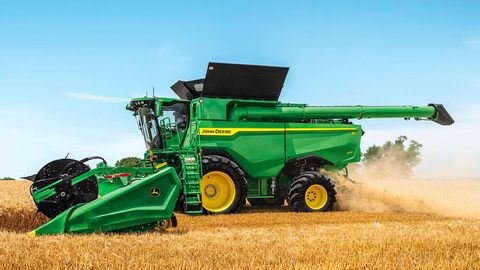
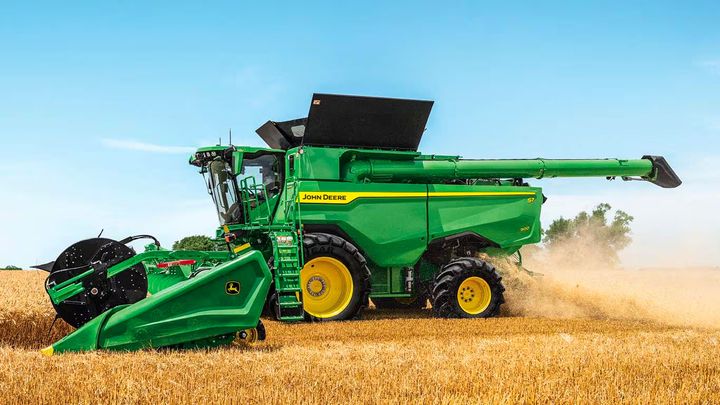
Precision agriculture machinery refers to advanced farming equipment designed to improve efficiency, accuracy, and sustainability in agricultural operations. This approach uses technologies such as sensors, satellite positioning, automation systems, and agricultural data analytics to support better decision-making on farms. It developed as a response to increasing global food demand, limited natural resources, and the need to improve productivity without expanding farmland.
Modern farming environments are complex and influenced by weather variability, soil conditions, and changing crop patterns. Traditional methods often apply uniform inputs across large fields, which can lead to uneven crop growth and inefficient use of resources. Precision-focused machinery addresses this challenge by enabling site-specific management, where farmers can monitor and adjust inputs such as water, fertilizers, and crop protection materials based on real-time field conditions.
These technologies are part of a broader movement toward smart farming systems that combine digital innovation with practical agricultural knowledge. As farms adopt connected equipment and data-driven processes, precision agriculture machinery is becoming a central component of modern agricultural practices.
Why precision agriculture machinery matters in today’s farming landscape
The importance of precision agriculture machinery has increased as agriculture faces economic, environmental, and technological pressures. Farmers, agribusiness stakeholders, and policymakers recognize the value of tools that help manage resources more effectively while maintaining crop performance.
Key reasons this topic is relevant include:
• Improved productivity management
Precision machinery helps optimize planting patterns, irrigation schedules, and nutrient distribution. This can support consistent crop development across fields and reduce variability in yield outcomes.
• Resource efficiency and sustainability
Smart equipment enables targeted application of inputs, which can reduce wastage and support soil conservation. This approach aligns with global sustainability goals and environmental stewardship initiatives.
• Data-based agricultural planning
Access to real-time and historical farm data supports more accurate forecasting and strategic decision-making. Farmers can evaluate performance trends and adjust cultivation practices accordingly.
• Climate adaptation support
Precision tools assist in monitoring temperature, rainfall, and soil moisture levels. This information helps farmers adapt to changing weather patterns and manage climate-related risks.
• Support for diversified farming systems
Both small-scale and large-scale farms can use precision technologies to manage multiple crops and varied soil conditions more efficiently.
The following table illustrates how precision agriculture machinery contributes to different farming outcomes:
| Farming Aspect | Traditional Approach | Precision-Based Approach |
|---|---|---|
| Input application | Uniform distribution | Site-specific application |
| Field monitoring | Manual observation | Sensor-driven insights |
| Irrigation planning | Fixed schedules | Data-guided adjustments |
| Yield forecasting | Seasonal estimates | Continuous analytics |
| Environmental impact | Higher resource use | Optimized resource use |
Recent developments shaping precision agriculture machinery
Technological progress in the past year has accelerated the adoption of smart farming equipment worldwide. Several innovations introduced between 2024 and early 2025 have influenced how precision agriculture machinery is designed and implemented.
• Integration of artificial intelligence in farm equipment (2025)
AI-based systems are now embedded in tractors, harvesters, and drones to analyze field data and automate operational decisions. These systems can identify crop stress indicators and recommend adjustments to planting or irrigation strategies.
• Expansion of satellite connectivity in rural areas (2024–2025)
Improved satellite networks have enhanced the reliability of GPS-enabled machinery. This allows more accurate mapping, navigation, and data transmission in remote farming regions.
• Growth of agricultural robotics research initiatives (2024)
Research institutions and agricultural technology organizations have introduced robotic weed management and automated harvesting prototypes. These developments highlight ongoing efforts to improve precision and reduce manual labor requirements.
• Digital agriculture platforms gaining adoption (2025)
Cloud-based farm management dashboards are becoming more common. These platforms allow farmers to visualize data from multiple machines and sensors in a single interface.
A simplified representation of technological adoption trends can be shown below:
Technology Adoption Trend (2023–2025)

AI-enabled machinery      ██████████
GPS navigation systems    ██████████████
Farm data analytics       ████████████
Agricultural robotics     ████████
Drone crop monitoring     ███████████
The graph illustrates a gradual increase in the integration of digital tools across different categories of precision agriculture machinery.
Influence of regulations and agricultural programs
Precision agriculture machinery is often shaped by national agricultural policies, environmental guidelines, and rural development initiatives. In many countries, including India, governments promote technology adoption to improve farm productivity and resource conservation.
Important policy-related factors include:
• Digital agriculture mission initiatives
Government programs support the development of farm databases, digital advisory services, and technology demonstration projects. These initiatives aim to enhance farmers’ access to precision-based tools and knowledge resources.
• Subsidy frameworks for modern equipment adoption
In some regions, agricultural development schemes provide financial incentives to encourage the use of GPS-enabled machinery, sensor-based irrigation systems, and other advanced technologies.
• Environmental compliance requirements
Precision farming tools help farmers meet regulatory standards related to water usage, soil conservation, and sustainable input management. Data collected through smart machinery can support compliance reporting and monitoring.
• Agricultural research and extension policies
Public institutions often conduct training programs and field trials to educate farmers about precision agriculture methods. These programs contribute to wider awareness and responsible technology implementation.
Understanding policy contexts is important because regulations influence how technology is introduced, maintained, and integrated into existing farming practices.
Useful tools and resources supporting precision agriculture practices
Farmers and agricultural professionals can benefit from a range of digital tools and knowledge platforms that complement precision agriculture machinery. These resources help interpret data, improve planning accuracy, and enhance operational efficiency.
Commonly used resources include:
• Farm management software dashboards
These systems collect data from sensors and equipment to provide visual insights into crop health, soil conditions, and irrigation schedules.
• Satellite imagery analysis platforms
High-resolution satellite images allow farmers to monitor vegetation indices, detect pest patterns, and identify areas requiring attention.
• Soil testing calculators and data templates
Digital calculators help interpret soil nutrient reports and guide targeted input application strategies.
• Agricultural weather forecasting portals
Real-time weather insights support better scheduling of planting, irrigation, and harvesting activities.
• Training modules and extension knowledge portals
Online educational resources provide tutorials, research findings, and best-practice guides for adopting precision agriculture technologies.
These tools collectively support a data-driven farming ecosystem, enabling more informed decision-making and long-term agricultural planning.
Frequently asked questions about precision agriculture machinery
What is the main purpose of precision agriculture machinery?
The primary goal is to improve farming accuracy by using technology to monitor field conditions and adjust agricultural operations accordingly. This approach supports efficient resource use and consistent crop management.
Is precision agriculture suitable for small farms?
Yes, many precision farming tools are scalable. Small farms can use mobile-based monitoring systems, compact sensor devices, or shared equipment models to benefit from data-driven farming methods.
How does GPS technology support agricultural machinery?
Global positioning systems enable accurate field mapping, automated navigation, and variable input application. This helps reduce overlaps in field operations and improves operational efficiency.
What types of crops can benefit from precision farming equipment?
A wide range of crops, including cereals, fruits, vegetables, and plantation crops, can benefit from site-specific management practices supported by precision machinery.
Does precision agriculture contribute to environmental sustainability?
Targeted input application and efficient water management can reduce environmental impact. Precision technologies also help monitor soil health and support conservation practices.
Conclusion
Precision agriculture machinery represents a significant evolution in modern farming, combining traditional agricultural expertise with advanced digital innovation. By enabling data-driven decision-making, these technologies help farmers manage variability in soil conditions, weather patterns, and crop growth cycles more effectively. As global agriculture continues to adapt to resource limitations and sustainability goals, precision-focused equipment is likely to play an increasingly important role in shaping future farming systems.
Recent technological advancements, supportive policy frameworks, and the availability of digital tools have contributed to wider awareness of smart farming practices. While challenges such as infrastructure access and technical training remain, the continued integration of automation, analytics, and satellite connectivity suggests a gradual transformation of agricultural landscapes.
Understanding how precision agriculture machinery functions, why it matters, and how it aligns with regulatory and environmental priorities can help stakeholders make informed decisions. With ongoing research and technological refinement, precision-based farming approaches are expected to support resilient agricultural systems and sustainable food production in the years ahead.