Tooth Replacement Options: A Practical Guide to Dental Implants
Tooth replacement is a field within restorative dentistry that focuses on restoring missing teeth using modern clinical methods. Tooth loss can occur due to decay, injury, gum disease, or age-related conditions. Dental implants are widely discussed among tooth replacement options because they aim to restore both function and appearance.
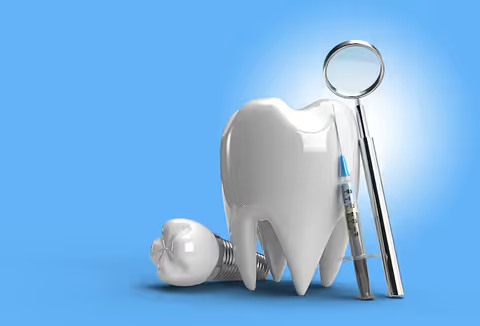
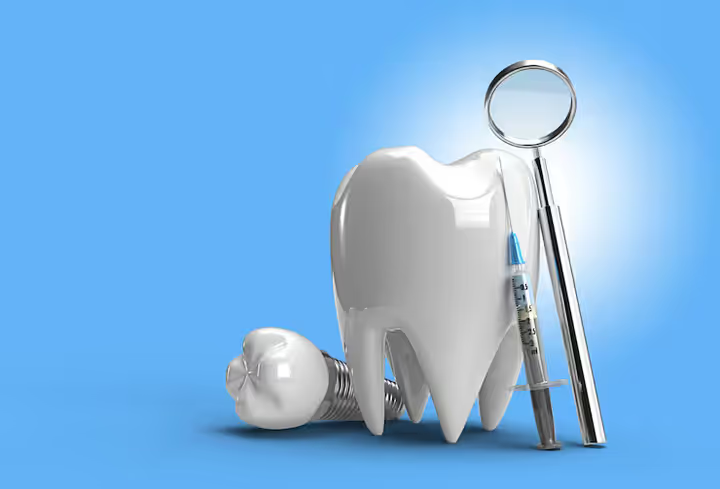
Dental implants are small medical devices placed in the jawbone to support artificial teeth. Over time, the surrounding bone integrates with the implant surface, creating a stable foundation for chewing and speaking. This process is known in dental science as bone integration.
Other tooth replacement options include removable dentures and fixed bridges. Each method is chosen based on oral health status, bone condition, and professional dental evaluation. Understanding these options helps individuals make informed decisions related to oral health care.
Modern dentistry continues to evolve with new materials, imaging techniques, and treatment planning software. These advances have contributed to improved comfort, precision, and long-term maintenance outcomes for many patients seeking restorative dental solutions.
Why dental implants and tooth replacement matter today
Tooth replacement is closely connected to overall health and daily quality of life. Missing teeth may affect chewing efficiency, speech clarity, and facial structure. Over time, gaps in the dental arch can influence the alignment of surrounding teeth and jawbone density.
From a public health perspective, oral health awareness has increased in recent years. Many communities now emphasize preventive care, regular dental checkups, and early treatment planning. Dental implants are often discussed within this broader conversation about maintaining functional oral systems.
The relevance of dental implants also extends to psychological and social well-being. A complete and healthy smile may influence confidence in communication, education settings, and professional environments. Although cosmetic considerations are sometimes highlighted, the primary focus remains functional restoration and oral stability.
The following table shows general functional considerations associated with common tooth replacement approaches:
| Tooth Replacement Method | Stability Level | Maintenance Approach | Typical Longevity Factors |
|---|---|---|---|
| Dental Implants | High due to bone integration | Routine oral hygiene and checkups | Bone health and lifestyle habits |
| Dental Bridges | Moderate support from adjacent teeth | Regular cleaning under bridge areas | Condition of supporting teeth |
| Removable Dentures | Variable depending on fit | Daily cleaning and periodic adjustments | Gum and bone changes over time |
The graph below illustrates the growing awareness of restorative dental procedures in recent years based on general global dental reporting trends.
Awareness Level
High |                *
     |              * *
     |            *   *
     |          *     *
Low  |_______*_________*_________
        2020   2022     2025
This simple representation highlights how oral health discussions have expanded in healthcare education campaigns and online information platforms.
Recent updates and trends in dental implant technology
In the past year, dentistry has continued to adopt digital technologies that enhance treatment planning. During 2024 and early 2025, professional conferences and dental research publications highlighted increased use of digital scanning tools. These tools assist practitioners in mapping jawbone structure more accurately before procedures.
Another trend involves the use of advanced surface coatings on implants. Research updates released in mid-2024 explored materials designed to support faster healing responses and improved integration with surrounding bone tissue. These developments are still subject to ongoing clinical evaluation.
Artificial intelligence applications in dental diagnostics have also received attention. In late 2024, several dental technology reports described AI-supported imaging systems that help detect structural conditions and guide implant positioning strategies.
Patient education methods have evolved as well. Many dental institutions have introduced interactive virtual models and online information portals. These resources aim to explain restorative procedures in a more accessible and transparent manner.
Telehealth communication tools gained broader acceptance during 2025. Some dental clinics use remote consultations for preliminary discussions about oral health concerns, though in-person clinical examination remains essential for diagnosis and treatment planning.
Regulations, policies, and oral health frameworks
Dental implant procedures are generally governed by national healthcare regulations and professional dental councils. In many countries, only licensed dental surgeons or specialists can perform implant placement. This regulatory approach aims to ensure patient safety, clinical standards, and ethical practice.
Government oral health programs sometimes include awareness initiatives related to preventive dentistry. These programs may focus on reducing tooth loss through education about hygiene practices, nutrition, and routine dental visits. While implant procedures themselves are considered specialized treatments, policy frameworks still influence how dental care systems operate.
Medical device regulations also play a role. Implant materials must meet safety and quality standards established by regulatory authorities. Manufacturers are required to provide evidence of biocompatibility, durability, and performance consistency.
Dental insurance guidelines and public healthcare structures may affect how restorative dentistry is integrated into broader health systems. Some countries emphasize preventive services, while others include partial support for advanced restorative treatments depending on eligibility criteria.
Ethical guidelines from dental associations further shape professional conduct. These guidelines typically stress transparent communication, evidence-based treatment planning, and patient consent processes.
Helpful tools and resources related to dental implants
Several digital tools and informational resources support individuals and professionals in understanding tooth replacement options. These resources focus on education, planning awareness, and oral health monitoring.
• Oral health tracking mobile applications that remind users about brushing, flossing, and dental visits
• Interactive dental anatomy websites explaining tooth structure and jawbone function
• Implant procedure visualization software used in dental training environments
• Online risk-assessment questionnaires related to gum health and lifestyle habits
• Educational templates for recording dental history and treatment discussions
• Academic research databases offering peer-reviewed studies on restorative dentistry
Some global health organizations also provide downloadable guides on preventive dental care. These materials often include diagrams, daily hygiene tips, and explanations of restorative treatment pathways.
Frequently asked questions about tooth replacement and implants
What is the main purpose of a dental implant
A dental implant is designed to replace the root portion of a missing tooth. It provides structural support for artificial teeth and helps maintain jawbone stability over time.
How long does the dental implant process usually take
The overall timeline varies depending on bone healing, clinical assessment, and treatment planning. The process often involves multiple stages, including evaluation, placement, healing, and restoration.
Are dental implants suitable for everyone
Suitability depends on factors such as oral health condition, bone density, and general medical history. Dental professionals typically perform detailed examinations before recommending specific tooth replacement methods.
How should oral hygiene be maintained after tooth replacement
Daily brushing, flossing, and routine dental checkups remain essential. Maintaining healthy gums and surrounding tissues supports long-term functional outcomes.
What are common alternatives to dental implants
Alternatives include dental bridges and removable dentures. Each approach has different structural characteristics, maintenance needs, and clinical considerations.
Conclusion
Tooth replacement options continue to evolve as dental science advances. Dental implants represent one of several restorative approaches designed to improve oral function, structural stability, and long-term dental health. Increased public awareness, digital technology integration, and ongoing research have contributed to broader understanding of restorative dentistry.
Regulatory frameworks, ethical guidelines, and educational resources help ensure that dental procedures are conducted with safety and transparency. By staying informed about modern dental developments and maintaining consistent oral hygiene practices, individuals can better navigate decisions related to tooth replacement.
Overall, the discussion around dental implants highlights the importance of preventive care, professional consultation, and evidence-based information. As dentistry progresses, accessible knowledge and responsible health awareness remain central to improving oral well-being for diverse populations.