Exploring Coworking Spaces in South Korea for Startups and Freelancers
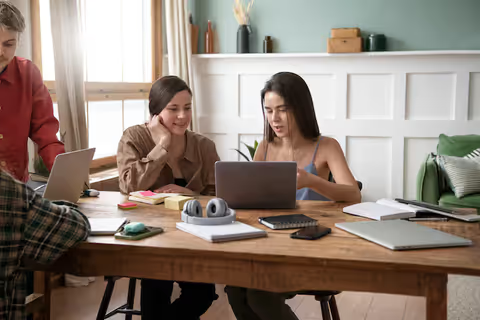
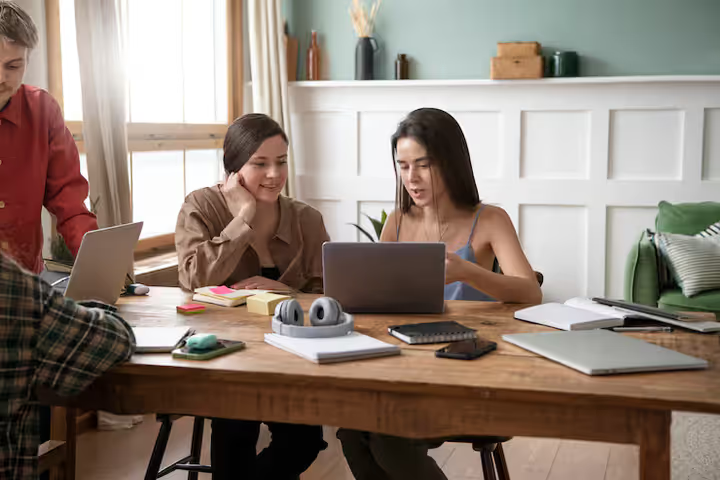
Coworking spaces are shared work environments where individuals and small teams use common infrastructure such as desks, meeting rooms, and internet access. In South Korea, these spaces emerged alongside the rapid growth of digital entrepreneurship, remote work, and independent professional activities.
South Korea has a highly connected digital ecosystem, strong urban infrastructure, and a culture that supports innovation. Cities such as Seoul, Busan, and Incheon attract technology-focused startups, creative professionals, and international founders. Coworking spaces developed as a response to the need for flexible, scalable, and collaborative work environments that fit modern work patterns.
Rather than traditional offices with long-term commitments, coworking environments focus on adaptability. This model aligns well with South Korea’s fast-moving business culture and its emphasis on efficiency, networking, and innovation-driven growth.
Importance
Coworking spaces matter today because the way people work has changed. Startups, solo founders, digital creators, and remote professionals often need professional workspaces without the rigidity of conventional office structures.
Key reasons this topic is relevant include:
-
Support for early-stage startups by providing professional environments suitable for meetings, planning, and collaboration
-
Access to business ecosystems, especially in innovation hubs such as Seoul
-
Reduced isolation for freelancers who otherwise work alone
-
Efficient use of urban space in densely populated cities
For international founders and location-independent professionals, coworking spaces also reduce barriers to entry into the South Korean market. They often act as informal hubs where people exchange knowledge about regulations, technology trends, and local business practices.
Recent Updates
Over the past year, coworking spaces in South Korea have evolved in response to economic shifts and workplace trends.
2024–2025 developments include:
-
Hybrid work normalization (2024): Many companies now operate with flexible attendance models, increasing daytime usage of coworking environments
-
Expansion beyond Seoul (late 2024): Cities such as Busan and Daejeon have seen increased coworking activity linked to regional innovation programs
-
Rise of niche-focused spaces (2025): Some coworking locations now cater specifically to technology startups, content creators, or international founders
-
Smart workspace integration (2024): Increased adoption of workspace analytics, access control systems, and desk management software
These changes show that coworking spaces are no longer temporary solutions but stable components of South Korea’s modern work infrastructure.
Laws or Policies
Coworking spaces in South Korea operate within broader national and local regulations rather than under a single dedicated coworking law. Several policy areas influence how these spaces function.
Relevant regulatory aspects include:
-
Business registration rules: Startups using coworking addresses must comply with Korean commercial registration requirements
-
Zoning and building regulations: Local governments regulate how commercial spaces are used, particularly in mixed-use buildings
-
Startup support programs: Government-backed initiatives such as innovation hubs and tech clusters indirectly support coworking growth
-
Data protection standards: Shared work environments must align with national data and network security guidelines
In recent years, public-sector collaboration with private workspace operators has increased, particularly in innovation districts and smart city projects.
Tools and Resources
Coworking users in South Korea often rely on digital tools that support workspace management, collaboration, and productivity. These tools are commonly used across coworking ecosystems.
Workspace and productivity tools:
-
Desk scheduling and occupancy management platforms
-
Meeting room booking systems
-
Cloud-based collaboration software
-
Project tracking dashboards
Information and planning resources:
-
Startup ecosystem directories
-
Government entrepreneurship portals
-
Market research databases
-
Business compliance reference platforms
Comparison table: Common coworking-related digital tools
| Tool Category | Primary Function | Typical Users |
|---|---|---|
| Workspace management | Desk and room allocation | Coworking operators |
| Collaboration platforms | Team communication | Startups, freelancers |
| Analytics tools | Space usage insights | Operators, planners |
| Compliance resources | Regulatory guidance | Founders, teams |
These tools help users navigate shared work environments efficiently while maintaining professional standards.
FAQs
What types of professionals commonly use coworking spaces in South Korea?
Coworking spaces are used by startup founders, software developers, designers, researchers, consultants, and remote professionals working with global teams.
Are coworking spaces suitable for international founders?
Yes. Many coworking environments support English-language communication and are located near global business districts, making them accessible to non-Korean professionals.
How do coworking spaces differ from traditional offices?
Coworking spaces emphasize flexibility, shared infrastructure, and community interaction rather than fixed layouts and long-term office arrangements.
Do coworking spaces contribute to innovation ecosystems?
They often function as informal innovation hubs by enabling collaboration, networking, and knowledge exchange among diverse professionals.
Is coworking growth limited to major cities?
No. While Seoul remains dominant, regional cities are increasingly integrating coworking spaces into local development strategies.
Conclusion
Coworking spaces in South Korea reflect broader changes in how people work, collaborate, and build businesses. Driven by digital transformation, urban density, and innovation-focused policies, these shared work environments support startups and freelancers across multiple industries.
Recent trends show that coworking spaces are becoming more specialized, technologically integrated, and geographically diverse. Their role extends beyond providing desks; they now act as connectors within the wider business ecosystem.
As work patterns continue to evolve, coworking spaces are likely to remain an important part of South Korea’s professional landscape, supporting flexible work styles and fostering collaboration in a rapidly changing economy.